Showing posts with label unity gaming. Show all posts

Thursday, July 20, 2023

Unreal vs Unity: Which Engine is Right for Your Game?
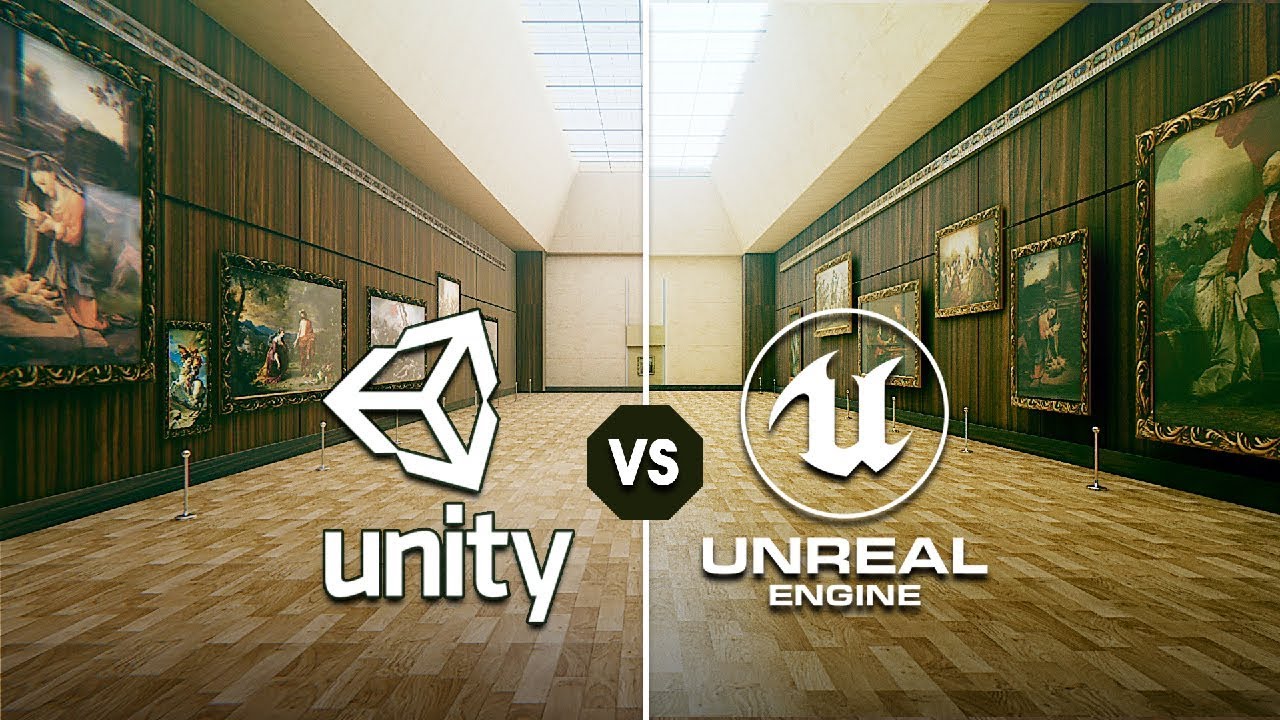
Unreal vs Unity: Which Engine is Right for Your Game?

Welcome to the exciting world of game development! Choosing the right game engine is a crucial decision on your path to creating amazing games. In this blog post, we'll explore the differences between Unreal Engine and Unity and help you determine which one is the best fit for your game. So, let's dive in!


Overview of Unreal Engine

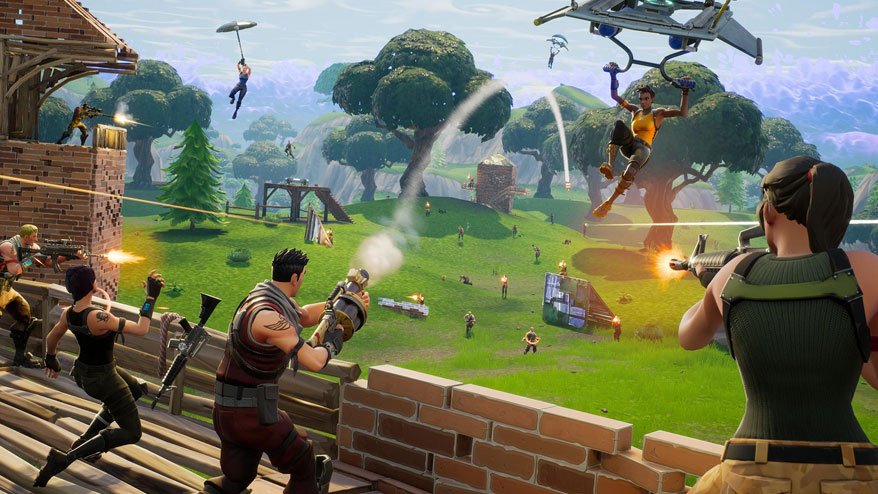
Unreal Engine is a powerful game engine developed by Epic Games. It is known for its stunning graphics and realistic rendering capabilities. Many popular games like Fortnite, Gears of War, and Unreal Tournament have been developed using Unreal Engine. If you're looking to create visually stunning and immersive experiences, Unreal Engine might be the right choice for you. However, it's worth noting that Unreal Engine has a steeper learning curve and higher technical requirements compared to other engines.


Unreal Engine, is a powerful game engine making it an ideal choice for game developers looking to create visually immersive experiences and hire unreal engine developers with expertise in harnessing its potential.


Overview of Unity

Unity is a versatile game engine that has gained immense popularity in the game development community. It is known for its accessibility, user-friendly interface, and extensive documentation. Unity has been used to create a wide range of games, including mobile, console, and PC games. If you're just starting out in game development or aiming for a more beginner-friendly experience, Unity is a great choice. It offers a wide range of resources, tutorials, and a supportive community to help you along the way.


Comparison of Key Factors
Graphics and Visuals

Unreal Engine is renowned for its graphical capabilities, enabling developers to create stunning, lifelike visuals. It offers advanced lighting and rendering techniques that can bring your game world to life. On the other hand, Unity provides solid graphical capabilities and supports a variety of platforms. While it may not match Unreal Engine's level of realism out of the box, Unity's visual quality can still be impressive with the right techniques and asset integration.


Learning Curve and Ease of Use

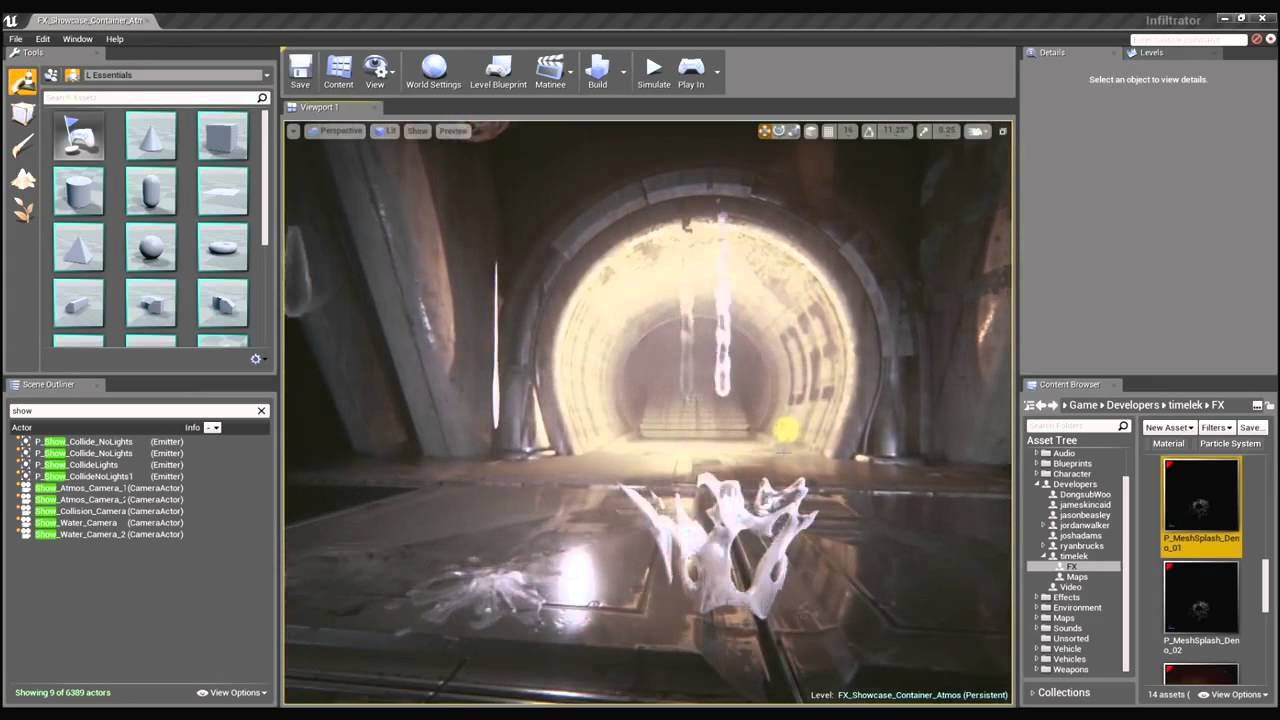
Unreal Engine has a steeper learning curve due to its complex toolset and scripting language, called Blueprint. It requires a deeper understanding of programming concepts and may take more time to grasp. On the contrary, Unity is known for its beginner-friendliness. It offers a visual scripting system and an intuitive interface, making it easier for newcomers to start creating games without extensive programming knowledge.


Performance and Optimization

Both Unreal Engine and Unity provide tools and features to optimize game performance. Unreal Engine has a robust optimization pipeline, allowing developers to fine-tune performance for different hardware configurations. Unity, too, offers optimization options, but it is generally considered more lightweight and can be a better choice for mobile or less resource-intensive games.


Community and Support

Unreal Engine has a large and active community, with many developers sharing their knowledge and resources. It has an extensive library of documentation, tutorials, and forums where you can seek help. Unity, on the other hand, has an even larger community and an abundance of learning materials. You'll find numerous tutorials, forums, and assets to aid you in your game development journey.


Platform and Compatibility

Both Unreal Engine and Unity support multiple platforms, including PC, consoles, mobile devices, and virtual reality. Unreal Engine has strong support for high-end platforms and offers built-in tools for creating immersive experiences. Unity, on the other hand, shines in its cross-platform capabilities, allowing you to develop games for various devices with ease.


Considerations for Choosing the Right Engine

When deciding between Unreal Engine and Unity, consider the following:
Game requirements

 Think about the specific needs of your game. Do you require cutting-edge visuals or a more lightweight approach?

Team expertise

Assess your team's skills and familiarity with each engine. Consider the learning curve and the resources available to support their growth. When considering team expertise, it's essential to evaluate your existing skills and determine whether you have the necessary expertise in-house or if you may need to hire unity game developers to supplement your team.


Goals and vision

Consider the long-term goals of your game and how each engine aligns with your vision.

Conclusion

In the end, both Unreal Engine and Unity are powerful tools for game development. Unreal Engine is renowned for its graphical capabilities and realism, while Unity offers accessibility and a supportive community. By carefully evaluating your game's requirements, your team's expertise, and your goals, you'll be able to make an informed decision about which engine is the best fit for your game development journey. Remember, success lies in choosing the engine that aligns best with your vision and empowers you to bring your game ideas to life. Happy game developing!


Tuesday, June 27, 2023

Cross-Platform Game Development with Unity: Reaching a Wide Audience


 In the world of game development, reaching a wide audience is crucial for success. One of the most effective ways to achieve this is by adopting cross-platform game development. With Unity, a powerful and versatile game engine, developers can create games that run on multiple platforms, including PC, console, mobile, and more. In this blog post, we will explore the benefits, challenges, and strategies involved in cross-platform game development with Unity.

Understanding Cross-Platform Game Development

Cross-platform game development refers to the process of creating games that can run on multiple platforms, such as Windows, macOS, iOS, Android, consoles, and even web browsers. Unity, with its robust feature set and extensive platform support, is an ideal choice for developers looking to build cross-platform games. By leveraging Unity's capabilities, developers can write code once and deploy their games across various platforms, reaching a wider audience.

Targeting Multiple Platforms with Unity

To effectively target multiple platforms, it is essential to identify your target platforms early in the development process. Each platform has its specific requirements and limitations, such as performance capabilities, input methods, and hardware variations. By understanding these nuances, you can tailor your game to offer the best experience on each platform. Adapt gameplay mechanics, controls, and user interface elements to suit different devices, ensuring a seamless and enjoyable experience for players.

To maximize your reach, it is essential to identify your target platforms early in the development process and leverage unity3d game development services, which provide comprehensive solutions for cross-platform game development.

Designing User Interfaces for Cross-Platform Games

User interfaces (UIs) play a vital role in providing an intuitive and engaging experience for players. When designing UIs for cross-platform games, it is essential to create responsive and scalable elements that can adapt to different screen sizes and aspect ratios. Unity provides tools and features to assist in building flexible UIs, enabling developers to create layouts that look great on a variety of devices. Additionally, considering input methods and optimizing touch controls are crucial for mobile and tablet devices.

Handling Performance and Optimization

Performance optimization is a critical aspect of cross-platform game development. Each platform has varying hardware capabilities, and optimizing your game for different devices ensures smooth gameplay experiences. Unity provides performance profiling tools and features to identify bottlenecks and optimize graphics, assets, and code. By implementing adaptive quality settings, you can dynamically adjust graphics and effects based on the device's performance capabilities, providing the best possible experience for players.


Managing Game Content and Assets

Managing game content and assets efficiently is essential in cross-platform development. Unity's asset bundle system allows developers to package platform-specific content separately, reducing the game's overall size and optimizing resource loading. Additionally, employing strategies for efficient asset management across platforms, such as asset streaming and compression techniques, helps optimize memory usage and loading times. Version control and collaboration tools also play a significant role in managing assets effectively when working on multi-platform projects.

Testing and Debugging Cross-Platform Games

Thorough testing is crucial to ensure your game functions correctly on each platform. Implementing a testing strategy that covers all targeted platforms helps identify and resolve platform-specific bugs and issues. Unity provides a range of testing and debugging tools to assist in this process, including platform-specific simulators and remote device testing. Leveraging these tools enables developers to ensure their game performs as expected across different devices and operating systems.

Monetization and Distribution

Monetizing and distributing cross-platform games require careful consideration of each platform's guidelines and requirements. Choosing the right monetization model, such as in-app purchases or advertisements, based on the target platforms and audience is crucial. Developers must also adhere to app store submission guidelines and optimize their game's listing to maximize visibility. Additionally, effective promotion and marketing strategies tailored to each platform help generate awareness and drive downloads.

Monetizing and distributing your cross-platform game is crucial for success. Partnering with a reputable cross platform game development company can provide valuable expertise and resources to optimize your monetization strategies and effectively distribute your game across multiple platforms, reaching a wider audience.

Case Studies: Successful Cross-Platform Games Built with Unity

Examining successful cross-platform games built with Unity provides valuable insights and inspiration for developers. Game X, for example, reached millions of players across PC, mobile, and consoles by leveraging Unity's cross-platform capabilities. Game Y achieved global success by tailoring its gameplay and user experience for different devices, utilizing Unity's tools and features effectively. Learning from real-world cross-platform game development experiences helps developers understand best practices and potential challenges they may encounter.

Conclusion:

Cross-platform game development with Unity offers tremendous opportunities for developers to reach a wide audience and maximize their game's potential. By understanding the intricacies of multi-platform development, optimizing performance, and adapting to platform-specific requirements, developers can create compelling experiences that resonate with players across various devices. Embrace the power of Unity and take your game development journey to new heights by venturing into the world of cross-platform gaming. With Unity's robust features and extensive platform support, the possibilities are endless. Start building your cross-platform game today and captivate players across the globe.


Why Mobile Games Need More LiveOps Engineering as Player Acquisition Becomes Harder

Acquiring new players has become increasingly challenging for mobile game developers. Rising competition for advertising space, declining do...